Ácidos Grasos Omega-3 Figuras
11 figuras de investigación revisada por expertos
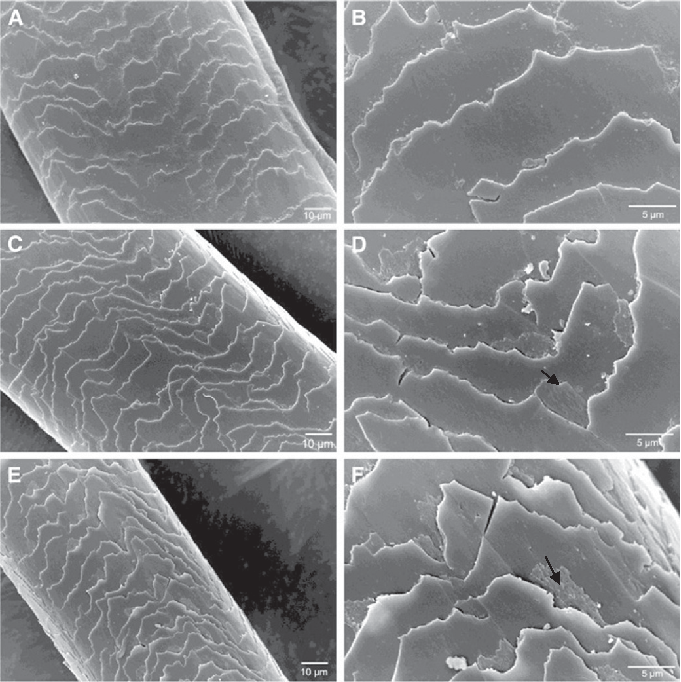
Scanning electron microscopy reveals the surface morphology of colored hair before and after treatment with enzymatic keratin hydrolysates. Treated hair shows smoother cuticle surfaces compared to untreated controls, indicating the hydrolysate's protective and restorative properties following heat styling at 180 degrees Celsius.
Feather keratin hydrolysates obtained from microbial keratinases: effect on hair fiber.
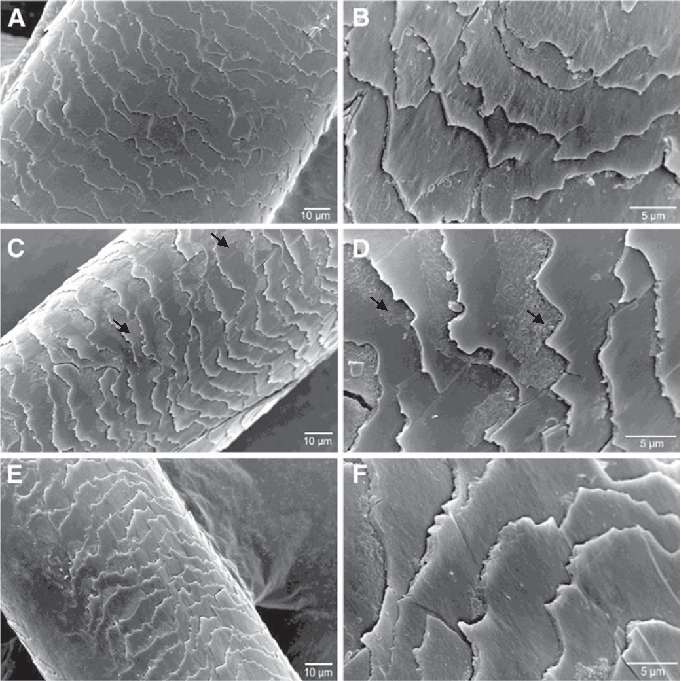
SEM micrographs compare colored and straightened hair treated with enzymatic keratin hydrolysates against controls. The cuticle damage from chemical coloring and heat straightening appears reduced in treated samples, suggesting the hydrolysate provides a protective barrier.
Feather keratin hydrolysates obtained from microbial keratinases: effect on hair fiber.
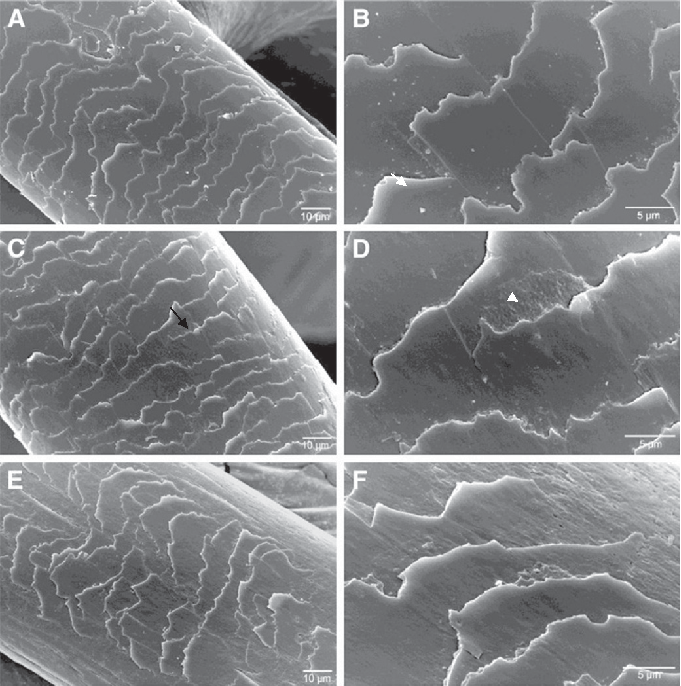
Electronic scanning microscope images show bleached hair before and after enzymatic hydrolysate treatment, with and without heat application. Black arrows indicate areas of cuticle repair where the protein hydrolysate has filled surface defects caused by bleaching.
Feather keratin hydrolysates obtained from microbial keratinases: effect on hair fiber.
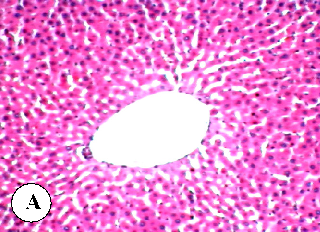
Histopathological examination of liver tissue from control rats, showing normal hepatic architecture for baseline comparison with diazinon-treated groups.
Protective effect of some plant oils on diazinon induced hepatorenal toxicity in …
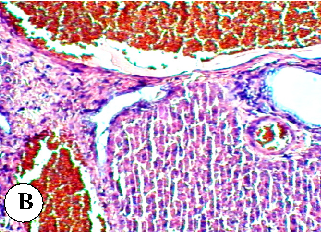
Liver histopathology in diazinon-treated rats showing hepatocellular damage, inflammatory infiltration, and structural changes indicative of pesticide-induced hepatotoxicity.
Protective effect of some plant oils on diazinon induced hepatorenal toxicity in …
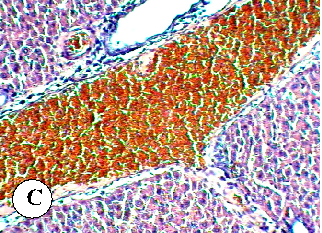
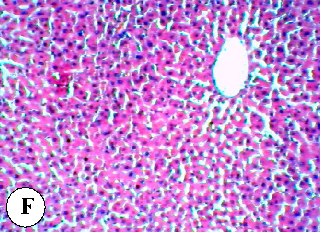
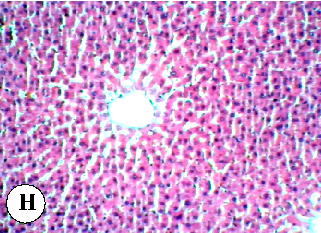
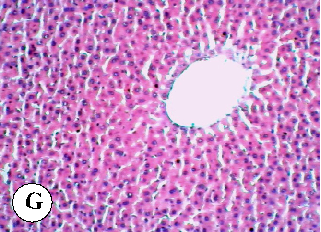
Liver tissue sections from rats co-treated with diazinon and a plant oil, showing varying degrees of protection against pesticide-induced hepatic damage.
Protective effect of some plant oils on diazinon induced hepatorenal toxicity in …
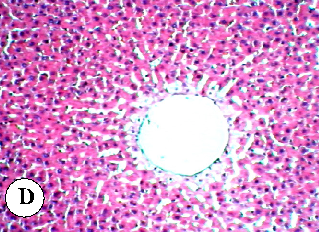
Additional liver histopathology from a different plant oil treatment group, demonstrating the comparative hepatoprotective effects of various plant oils against diazinon toxicity.
Protective effect of some plant oils on diazinon induced hepatorenal toxicity in …
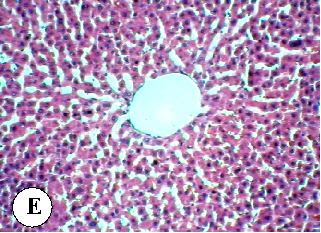
Kidney histopathology from control rats showing normal renal architecture, providing a baseline for comparison with diazinon-exposed groups.
Protective effect of some plant oils on diazinon induced hepatorenal toxicity in …
Renal tissue sections from diazinon-treated rats revealing tubular damage and glomerular changes indicative of nephrotoxicity.
Protective effect of some plant oils on diazinon induced hepatorenal toxicity in …
Kidney histopathology from rats receiving plant oil co-treatment with diazinon, assessing the degree of renal protection afforded by the oil supplement.
Protective effect of some plant oils on diazinon induced hepatorenal toxicity in …
Additional renal tissue examination from a plant oil treatment group, comparing nephroprotective efficacy across different oil types in diazinon-exposed rats.
Protective effect of some plant oils on diazinon induced hepatorenal toxicity in …