描述
Tensile strength or mechanical properties of hair fibers treated with the enzymatic keratin hydrolysates are measured. The protective effect of low molecular weight protein fragments on hair integrity is quantified against untreated controls.
More Figures from This Paper
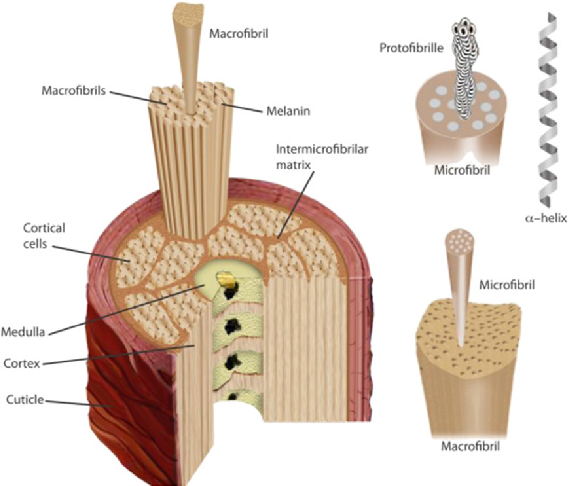
Figure 1
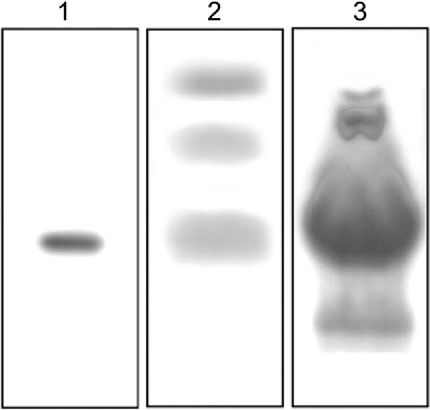
Enzymatic hydrolysis of feather keratin by microbial keratinases is characterized, showing protein fragment profiles. The Bacillus subtilis-derived keratinase produces low molecular weight hydrolysates suitable for hair care applications.
chart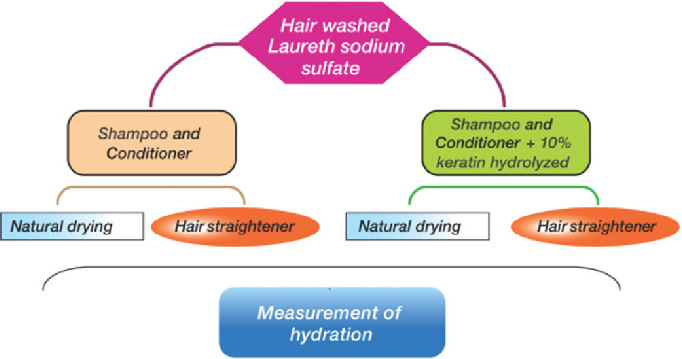
Figure 2
Molecular weight distribution of the keratin hydrolysates is analyzed, comparing enzymatic products with commercial alternatives. Lower molecular weight peptides penetrate hair fibers more effectively, offering superior protection against chemical and environmental damage.
chart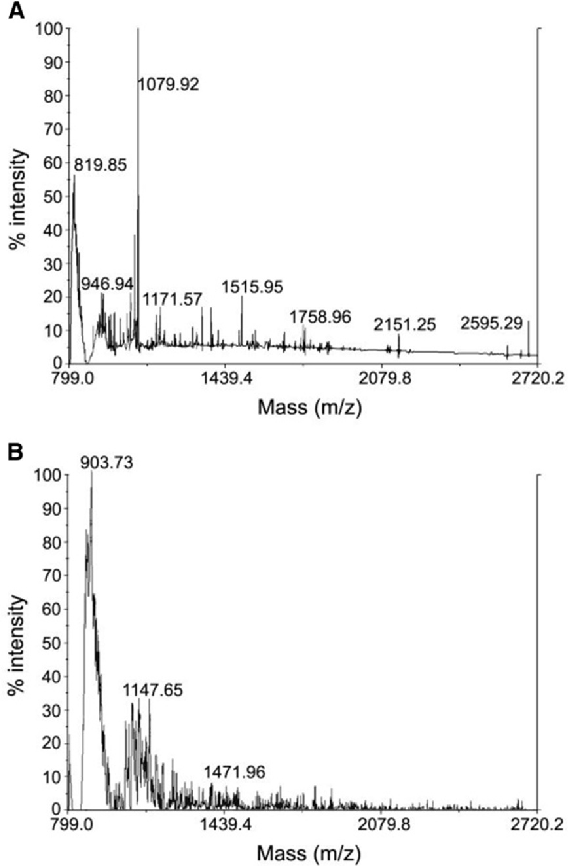
Figure 3
MALDI-TOF mass spectrometry analysis compares enzymatic keratin hydrolysates from Bacillus subtilis with a commercial hydrolysate (KH1). The mass spectra reveal distinct peptide profiles, with the enzymatic product showing a different molecular weight distribution pattern.
chart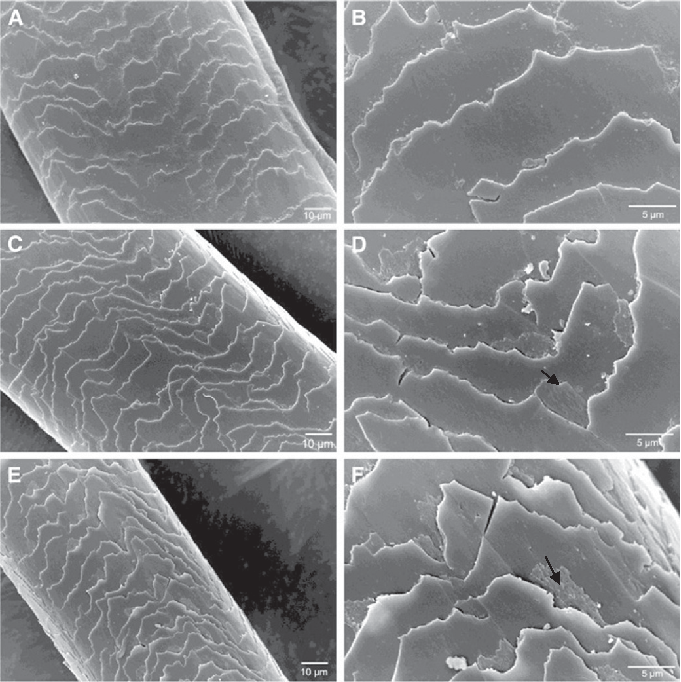
Figure 5
Scanning electron microscopy reveals the surface morphology of colored hair before and after treatment with enzymatic keratin hydrolysates. Treated hair shows smoother cuticle surfaces compared to untreated controls, indicating the hydrolysate's protective and restorative properties following heat styling at 180 degrees Celsius.
micrograph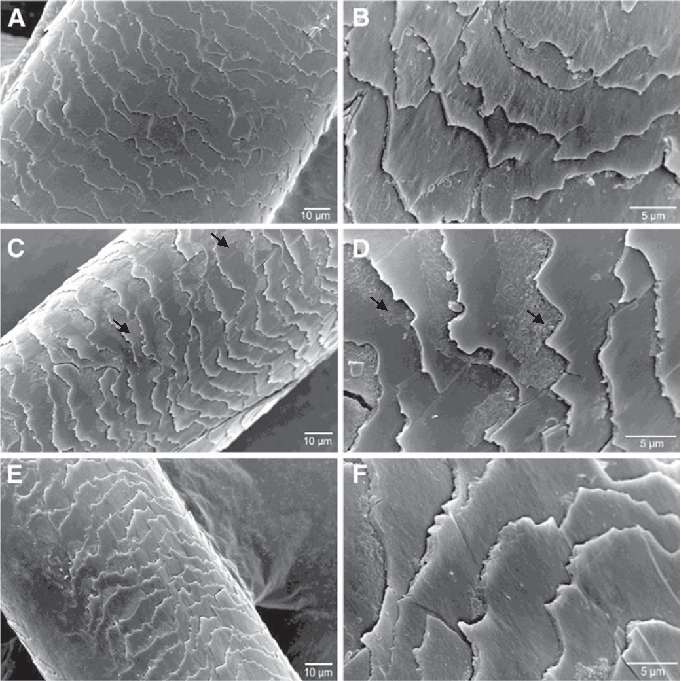
Figure 6
SEM micrographs compare colored and straightened hair treated with enzymatic keratin hydrolysates against controls. The cuticle damage from chemical coloring and heat straightening appears reduced in treated samples, suggesting the hydrolysate provides a protective barrier.
micrograph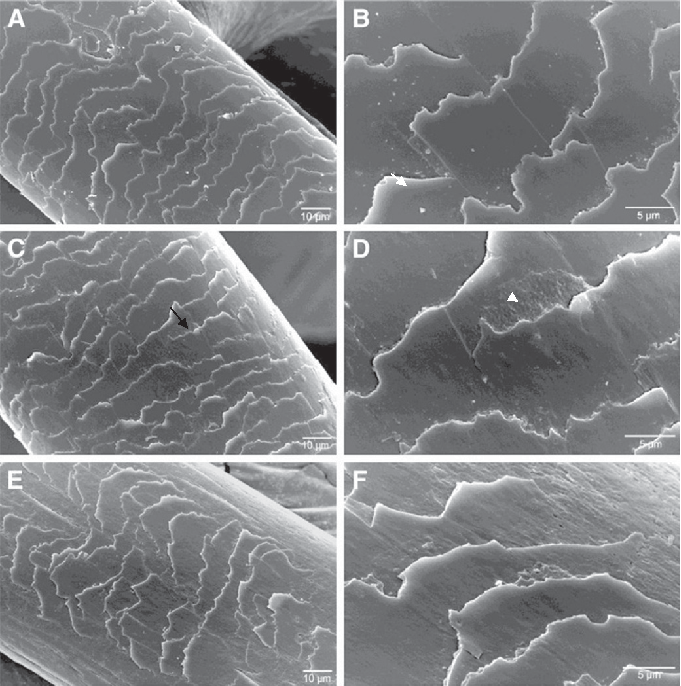
Figure 7
Electronic scanning microscope images show bleached hair before and after enzymatic hydrolysate treatment, with and without heat application. Black arrows indicate areas of cuticle repair where the protein hydrolysate has filled surface defects caused by bleaching.
micrographFigure 4
ChartSource Paper
Feather keratin hydrolysates obtained from microbial keratinases: effect on hair fiber.Cite This Figure
 > Source: Ana Lúcia Vazquez Villa et al. "Feather keratin hydrolysates obtained from microbial keratinases: effect on hair." *BMC biotechnology*, 2013. PMID: [23414102](https://pubmed.ncbi.nlm.nih.gov/23414102/)
<figure>
  <img src="https://pdfs.citedhealth.com/figures/23414102/97.png" alt="Tensile strength or mechanical properties of hair fibers treated with the enzymatic keratin hydrolysates are measured. The protective effect of low molecular weight protein fragments on hair integrity is quantified against untreated controls." />
  <figcaption>Figure 4. Tensile strength or mechanical properties of hair fibers treated with the enzymatic keratin hydrolysates are measured. The protective effect of low molecular weight protein fragments on hair integrity is quantified against untreated controls.<br>  Source: Ana Lúcia Vazquez Villa et al. "Feather keratin hydrolysates obtained from microbial keratinases: effect on hair." <em>BMC biotechnology</em>, 2013. PMID: <a href="https://pubmed.ncbi.nlm.nih.gov/23414102/">23414102</a></figcaption>
</figure>